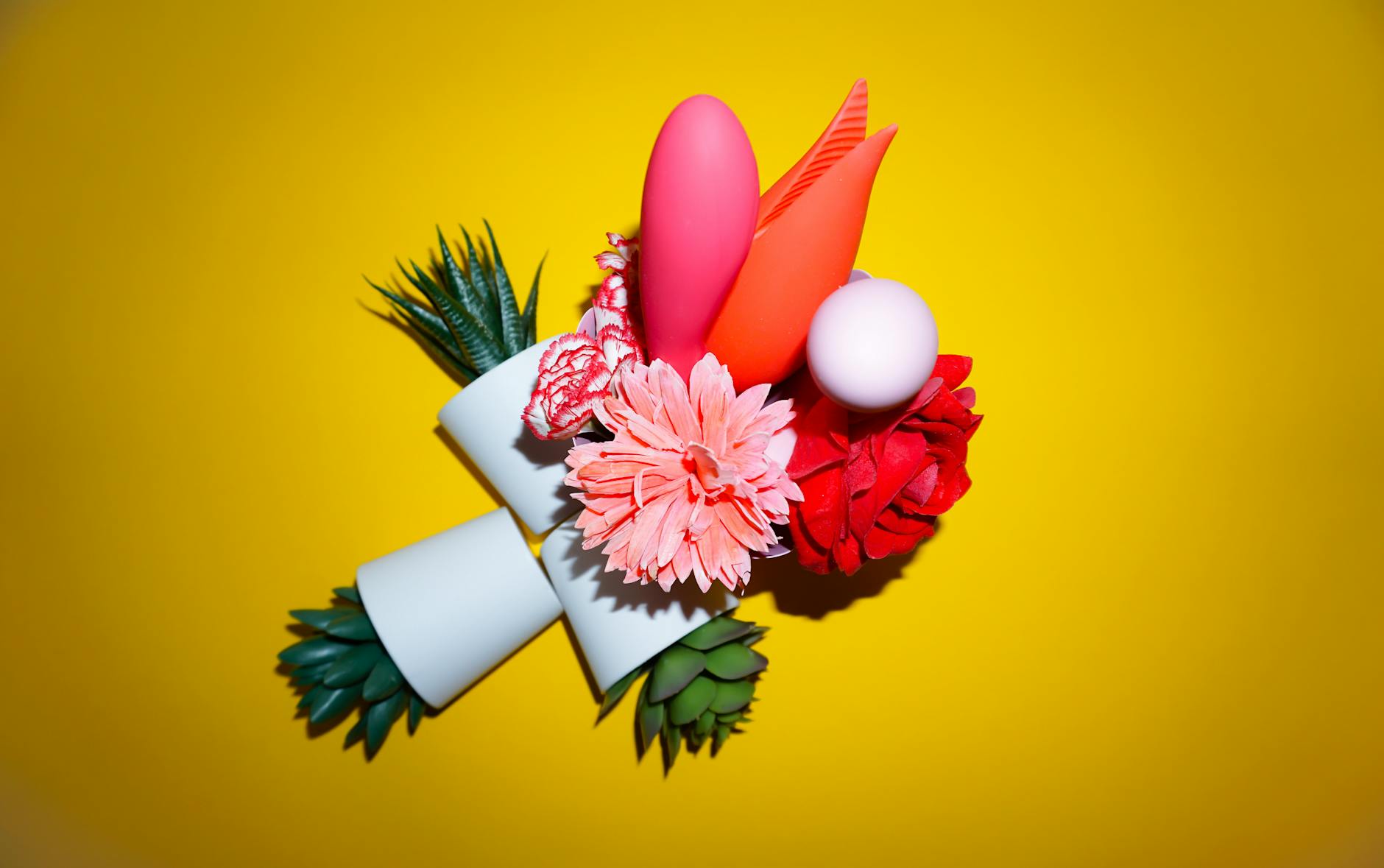
Vulvodynia is chronic pain in the vulva with no clear external cause. It's real, it's common, and it's wildly misunderstood. But here's what matters: pain during intercourse or direct stimulation doesn't mean sensation is broken. It means you need a different tool and a different approach.
That's where lemon clitoral vibrators enter. Not because they're magic, but because the mechanics of suction work differently than the pressure and friction of traditional vibrators. For people with vulvodynia, that difference can be the gap between avoidance and actual pleasure.
Most vibrators work through rapid friction and direct pressure against tissue. For someone with vulvodynia, both of those can trigger pain signals immediately. The nerve endings in the vulva are already hypersensitive; adding friction on top of that often leads to increased inflammation and discomfort that can linger for hours or days afterward.
Lemon sexual toys use suction and gentle rhythm instead of pressure. Suction stimulates the clitoral nerve without the same mechanical friction. It's a quieter sensation, which means it requires less tissue contact and less direct pressure to feel intense.
This is not theoretical. In my clinical practice, I've worked with many clients who had abandoned sexual pleasure entirely because traditional toys triggered their vulvodynia pain. Most of them found that lemon suction toys changed what was possible.
If you're used to avoiding any clitoral contact because it hurts, suction can feel almost shocking in the best way. It's a pulling sensation rather than a pushing one. It engages the deeper clitoral structures without requiring the same surface-level friction.
Starting with the lowest setting matters. The Lem vibrator, for example, has multiple intensity levels precisely for this reason. Many people with vulvodynia find that patterns 1 and 2 (the gentlest) create enough sensation to feel good without triggering pain.
Timing also changes. With traditional vibrators, pain often appears immediately. With suction, because the stimulation is gentler and broader, you might find you can engage for 10-15 minutes before any discomfort appears, if it appears at all. That's a completely different experience.
Four things make a real difference before you even turn on a lemon clitoral vibrator.
Start with the right mindset. Pain has probably taught you to brace. Your pelvic floor might be chronically tight, anticipating hurt. Spend 5-10 minutes just breathing before you begin. This is not meditation bullshit. It's nervous system regulation. Your pelvic floor needs permission to relax.
Use lubrication. Even if you don't think you need it. Vulvodynia often comes with reduced natural lubrication, and the friction between any toy and dry tissue increases inflammation. A good water-based lubricant reduces that risk and often reduces discomfort during stimulation itself.
Position matters. Lying on your back with legs extended (or supported by a pillow under your knees) is generally easier on the vulva than sitting upright. Gravity pulls differently, and you have less pelvic floor tension.
Give yourself an exit ramp. Knowing you can stop instantly without explanation or justification changes everything psychologically. Tell your partner (if applicable) that you might stop after two minutes, and that's success. This removes the pressure to perform through pain.
Start low. Genuinely low. If your Lem vibrator has 10 intensity levels, begin at level 1. Hover it near your clitoris first. You don't need full contact. Let the sensation build before you increase intensity.
When you first touch the toy to your body, expect about 30 seconds of adjustment. Your nervous system is registering something new. Breathe through it. If it hurts rather than feels intense, stop immediately. There's no badge for pushing through pain.
Once you're comfortable, you can experiment with pattern changes if your toy has them. Some people find that certain patterns feel less intense than steady suction, even at the same intensity level. Keep notes on what works. This is data gathering, not performance.
Sessions don't need to be long. Ten minutes of gentle pleasure is better than 30 minutes of escalating discomfort. The goal is to rebuild your nervous system's association between clitoral touch and pleasure rather than pain. That rewiring takes time.
Pain might still appear, especially early on. This doesn't mean lemon vibrators won't work for you. It means your body is in a hypervigilant state and needs patience.
If pain appears, stop. Wait 15 minutes. Use ice if inflammation is present (10 minutes max, wrapped in cloth, not direct contact). Hydrate. Stretch your hip flexors gently. Then, the next day or a few days later, try again with even lower intensity.
If pain appears consistently at a specific intensity level, that's your threshold. Don't cross it for now. Stay at the level below and spend multiple sessions there until it feels comfortable. This is the opposite of how we're taught to push through discomfort, but with vulvodynia, pushing creates setbacks.
Talk to your gynecologist or pelvic health specialist if you're trying this. They might recommend topical medications, pelvic floor physical therapy, or other treatments that complement your use of lemon sexual toys.
Vulvodynia takes pleasure off the table for a long time. When you've avoided touch for months or years because it triggered pain, even the possibility of pleasure can feel threatening. That's not weakness. That's your nervous system protecting you.
When you use a lemon clitoral vibrator and it doesn't hurt, something shifts. It's often quiet at first. Not euphoria, just. Relief. A small opening.
That opening matters. It reminds you that sensation and pleasure are still possible for your body. It rebuilds trust between you and your own nerve endings. That's foundational work, and it's as important as the physical sensation itself.
If you have a partner, this reclamation is also relational. Let them know what you're doing and why. If they can hold space for your exploration without turning it into pressure for partnered sex, you've just created something valuable for both of you.
Change isn't instant. Most people who use lemon clitoral vibrators with vulvodynia notice a shift within 2-4 weeks of consistent, gentle use. That shift usually looks like: pain appearing later in a session, or appearing less intensely, or not appearing at all.
Some people find that orgasm becomes possible again. Others find that pleasure exists without orgasm, and that's enough. Both are wins.
If you're not seeing any shift after a month of regular use, check in with your provider. There might be other treatments worth combining with this approach.
Maybe, with modifications. Severe pain usually requires professional support first. Talk to a pelvic health physical therapist or vulvodynia specialist before starting any toy use. They might recommend treating inflammation or pelvic floor tension before you introduce stimulation. That's not failure. It's building a stronger foundation.
Pressure and friction are your pain triggers. Suction engages different nerve pathways and doesn't require the same surface contact. It's gentler on inflamed tissue. Not everyone with vulvodynia responds the same way, but the mechanism is solid.
Vulvodynia pain usually has a sharp, burning, or stinging quality. Adjustment discomfort usually feels tense or numb. If you're uncertain, stop, wait, and try again in a few days. If the sharp pain returns immediately, it's probably vulvodynia pain. If it's absent, it was adjustment.
Vaginismus is involuntary pelvic floor tightening. Lemon clitoral vibrators stimulate externally, so they don't trigger the same reflex as penetration would. Many people with both vulvodynia and vaginismus find that external suction toys feel manageable while penetration doesn't. Check with your pelvic floor therapist first, but this is often a good starting point.
If you're in a relationship and exploring pleasure again, honesty usually helps. You don't owe anyone the details, but your partner knowing that you're working on reconnecting with sensation can prevent misunderstanding. It also creates an opening for them to support you rather than feel rejected if you're not ready for partnered sex yet.
That's data. Your vulvodynia might need different support first. Talk to your provider about topical estrogen, pelvic floor therapy, or systemic treatments. Toys are one tool, not the only one. Sometimes you need to address inflammation or nerve sensitivity first, and then toys become useful later.
Vulvodynia is a long conversation with your body. Lemon clitoral vibrators can be part of that conversation, but they're not a cure. They're a way of saying: my nervous system is learning something new about pleasure. They're gentle, intentional, and designed for the exact problem you're facing.
Start low. Go slow. Listen to your body. And know that pleasure is still available to you, even if the path there looks different than you expected.
If you're struggling to rebuild sensation or navigate this on your own, reach out to a specialist. You don't have to figure this out alone.