How to Use Lemon Vibrators When You're Newly Sober and Rebuilding Pleasure
Sobriety changes everything about how your body experiences sensation and desire. Here's what's actually happening, why it matters, and how lemon clitoral vibrators fit into reconnecting with yourself.
Let's be real. When you quit drinking or using, your body becomes a stranger for a while. The thing people don't warn you about is that pleasure doesn't come roaring back the moment you hit sobriety. In fact, it usually takes months for your nervous system to remember how to feel anything beyond baseline anxiety and exhaustion.
Sexual pleasure gets caught in that trap. If you've been using substances to numb yourself, to bypass anxiety, or to feel "ready" for intimacy, sobriety means facing those sensations head-on. No buffer. No pharmacological shortcut. Just you and your body, learning each other again from scratch.
This is where lemon clitoral vibrators become genuinely useful. Not as a band-aid, but as a tool for teaching your nervous system that pleasure is safe, predictable, and within your control. Here's what I've learned working with people in early recovery.
Three things are happening at once, and it helps to name them.
Your nervous system is recalibrating. Alcohol and most drugs suppress the central nervous system. They make you numb in a lot of ways. When you remove that chemical dampener, your nervous system becomes hyperaware. Skin feels scratchy. Lights feel too bright. Touch can feel overwhelming or weirdly distant. This takes weeks or months to settle down.
Anxiety often fills the space where substances used to live. If you were using partly to manage anxiety, you're probably experiencing that anxiety again for the first time in a while. That anxiety lives in your body, especially during intimate moments. It makes it hard to focus, harder to feel pleasure, easier to disconnect.
Your brain chemistry is rebalancing. Dopamine, serotonin, norepinephrine. They all got used to being artificially elevated. Early sobriety means your baseline feels flat by comparison. Sex might feel less intense than it used to. Orgasm might feel distant or require more effort. This is temporary and it normalizes, but it's real.
None of this means you're broken. It means your body is healing.
If you've read about lemon sexual toys before, you probably know they use suction instead of direct vibration. In early sobriety, that distinction matters more than you'd think.
Here's the pattern I see: People in recovery often have a complicated relationship with intensity. Substances were intense. So was the shame afterward. Your nervous system has learned to associate high stimulation with either numbness or crash. Traditional vibrators deliver focused, escalating intensity. If your brain is still in hypervigilance mode, that can feel threatening instead of pleasurable.
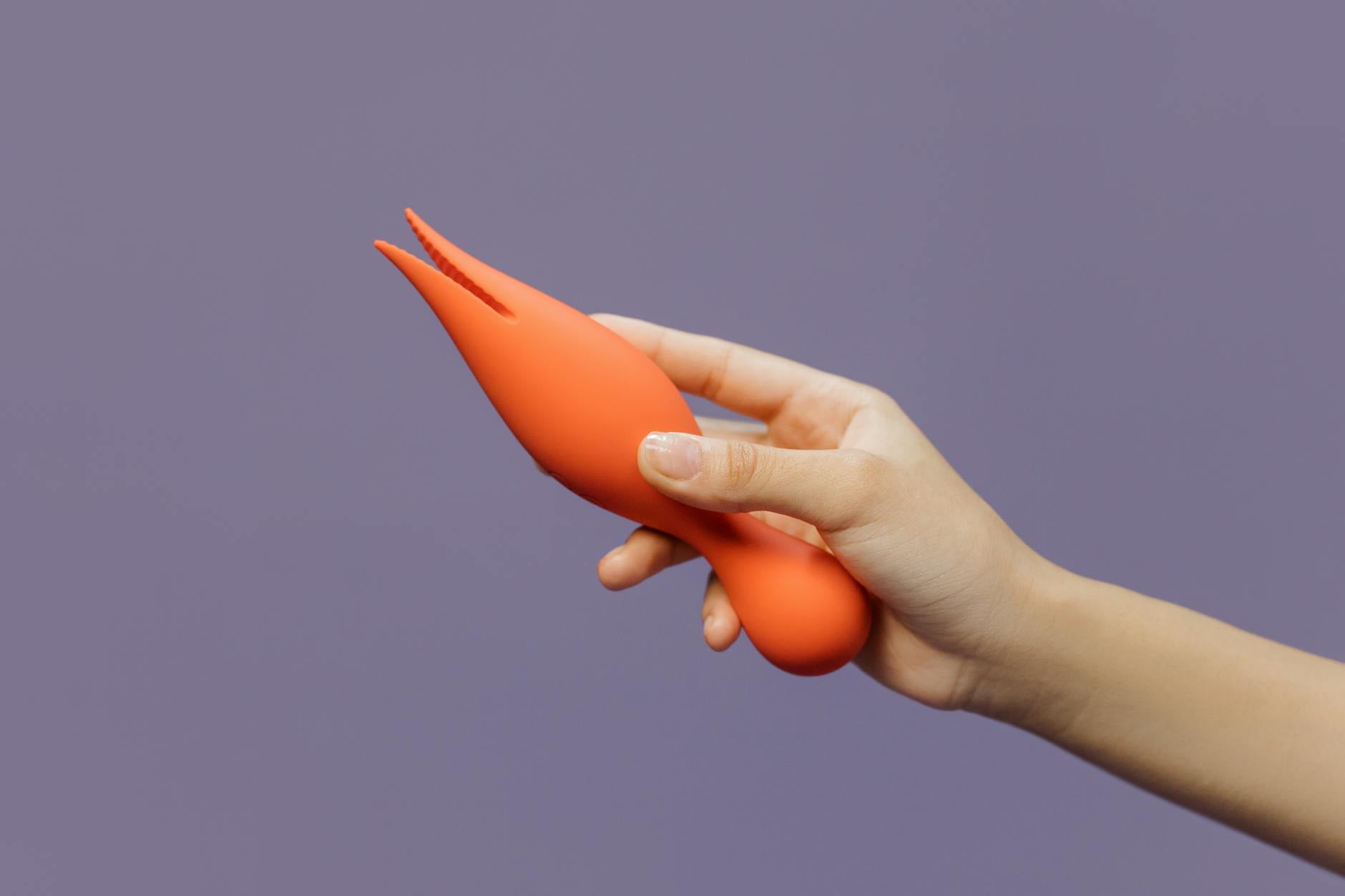
Lemon clitoral vibrators work differently. They use gentle suction and rhythmic pulses that build slowly. You're in control of the pattern and speed. The sensation doesn't feel like something's happening to you, it feels like something you're choosing. That agency matters when you're rebuilding trust in your own body.
For people with anxiety, that predictability is gold. You can start at setting one. You can stay there as long as you need. There's no pressure to escalate. There's no feeling of being swept away. Just steady, gentle sensation you can regulate.
Early sobriety isn't the time for marathon sessions or pushing yourself to feel things you're not feeling yet.
Start with five or ten minutes. Not because you're broken, but because your pleasure pathways are literally rebuilding. Think of it like physical therapy for your nervous system. You wouldn't run a marathon after an injury. You'd walk short distances. Same logic applies here.
Set low. Actually, set the lowest setting on your lemon vibrator and stay there for a week or two if that's what feels right. Your body will let you know when it's ready for more. The goal isn't to feel the biggest pleasure yet, it's to feel something, consistently, without panic or numbness.
Here's what helps:
Start alone. No pressure, no performance anxiety, no wondering if your partner's bored or uncomfortable. Just you and a tool that works at your pace. If you have a partner, you can involve them later, but early on, solo exploration is where the real healing happens.
Pick a time when you're rested. Not when you're exhausted or wound up or fresh from a stressful meeting. Early recovery requires a ton of emotional energy. Your nervous system is already working overtime. You want to explore pleasure when you have some bandwidth left.
Use water-based lubricant. Seriously. Doesn't matter if you think you don't need it. The slight extra slip makes the whole experience gentler and less demanding on your nerves. It also signals to your brain that this is self-care, not performance.
This is the part where being newly sober gets specific.
If you quit drinking because of blackouts or boundary crossings, you might find yourself panicking during pleasure. That's not unusual. Your brain learned to associate pleasure with loss of control. Now you're saying yes to sensation again. That can trigger old fears.
Here's what I tell people: Anxiety during intimacy in early recovery isn't a sign you're doing something wrong. It's a sign you're bringing awareness to something your brain is still processing. That's actually progress.
A few concrete things that help:
Name what you're feeling. Instead of pushing through the anxiety, pause and say out loud: "I'm feeling anxious right now." Not "something's wrong", just observation. Often naming it is half the battle.
Ground yourself. Before you start, put your feet on the floor. Notice five things you can see, four things you can touch, three things you can hear. Get into your body and the present moment.
Use a mantra. Something like "This is safe. I'm in control. I choose this." Short, present tense, something you actually believe. Repeat it if anxiety spikes.
Have an exit plan. Know that you can stop anytime, for any reason. You don't owe yourself an orgasm. You don't owe yourself pleasure. You're rebuilding the relationship, and that's its own reward.
If you have a partner in your life, eventually they might want to be part of this. How you handle that matters.
First: you don't have to do this. Solo pleasure is complete and valid. But some people want to rebuild intimacy with a partner too. If that's you, wait until you're more stable. I'd say at least three months sober, but everyone's different.
When you do introduce your partner, don't make it about them. Tell them upfront: "I'm exploring sensation again and I want you to understand what I'm doing so it's not a surprise." Maybe show them the lemon vibrator. Explain how it works. Let them know that you're rebuilding trust with your body and theirs is secondary right now.
If they get it, great. If they're weird about it, that's useful information about whether they're safe to rebuild with. People in your life who love your sobriety will respect your healing, even if it looks different than they expected.
You don't need professional permission to use a lemon vibrator or to explore pleasure in recovery. But you might benefit from talking to a therapist about it, especially if:
You're experiencing intrusive thoughts or shame spirals when you try. That's not something you need to white-knuckle through alone. A trauma-informed therapist can help.
Your substance use was tied to sexual behavior (trading sex for drugs, using before sex, using sex to numb). That's a different recovery path and deserves specific support.
You have a history of sexual abuse or assault. Rebuilding pleasure after trauma takes more care and skill than rebuilding after substance use alone. Get professional support.
Your partner is struggling with your recovery or your sexuality. A couples therapist who understands addiction is invaluable.
Therapy and a lemon vibrator aren't in competition. They're part of the same project: rebuilding your relationship with your body and your desire.
Early sobriety is not forever. Your nervous system will recalibrate. Pleasure will return, sometimes more vivid than before because you're actually present for it. Your brain will stop scanning for threat. Your dopamine receptors will normalize. This all takes time, but it happens.
Lemon clitoral vibrators fit into that timeline because they give you something to practice with. A predictable, controllable way to teach your body that sensation and pleasure are safe. That you're in charge. That you deserve to feel good, sober and clear and fully yourself.
Start small. Be patient. Don't judge yourself for what you're feeling or not feeling yet. You're not rebuilding pleasure in a vacuum. You're rebuilding it alongside a nervous system that's learning to trust again. That's real work and it matters.
Yes, absolutely. There's no interaction between medications and using a toy. But if you're taking SSRIs, which can affect sensation and orgasm capacity, that's worth discussing with your prescriber. They might adjust your timing or dosage, or they might suggest working with the changes while your body adjusts. Either way, your doctor should know what's happening with your body, including pleasure.
There's no fixed timeline. Some people report their libido returning within weeks. Others take months. Depends on how long you were using, what you were using, your underlying anxiety, your relationship status, and a hundred other factors. The important part isn't speed. It's consistency. A little sensation practice each week does more than pushing hard once a month.
That guilt is real and it's common. Lots of people used substances to numb shame or to access pleasure they thought was forbidden. Now you're choosing pleasure consciously. Your brain might interpret that as dangerous or selfish. It's neither. You're reclaiming a normal human capacity. Guilt might show up anyway, but it doesn't mean you're wrong.
Sexual dysfunction in early recovery is common and often temporary. Erectile issues, difficulty with orgasm, low desire. These usually resolve as your brain chemistry normalizes and your nervous system settles. If they persist beyond six months, that's worth talking to a doctor about. But in the first few months, giving your body grace is more important than fixing anything.
That's personal. Your sponsor should know if something's affecting your recovery, your relationships, or your mental health. But you don't owe your entire recovery community details about your sex life. If shame around pleasure is making you want to use, that's worth addressing. If you're just exploring and it's not triggering you, you get to keep some privacy.
You're probably ready if you can sit with your body for ten minutes without needing to escape it. If you're not actively white-knuckling through every day. If you've started to feel curiosity again, even small curiosity. You don't need to feel healed or whole. Just stable enough that adding one more thing doesn't feel destabilizing.
Sobriety changes pleasure. It also sometimes makes pleasure deeper, because you're actually present for it. You're not using anything to bridge the gap between desire and action. You're not numbing or forcing. You're just here, in your body, learning what it can feel.
Lemon vibrators are one tool for that process. They're gentle, predictable, and designed for the kind of slow rebuild that early recovery usually calls for. But they're not the whole project. The whole project is you learning to trust yourself again. Everything else is just a useful part of that.
If you want to talk through how this fits into your specific recovery and relationships, we're here. Head over to /contact and let's figure out what makes sense for you.